
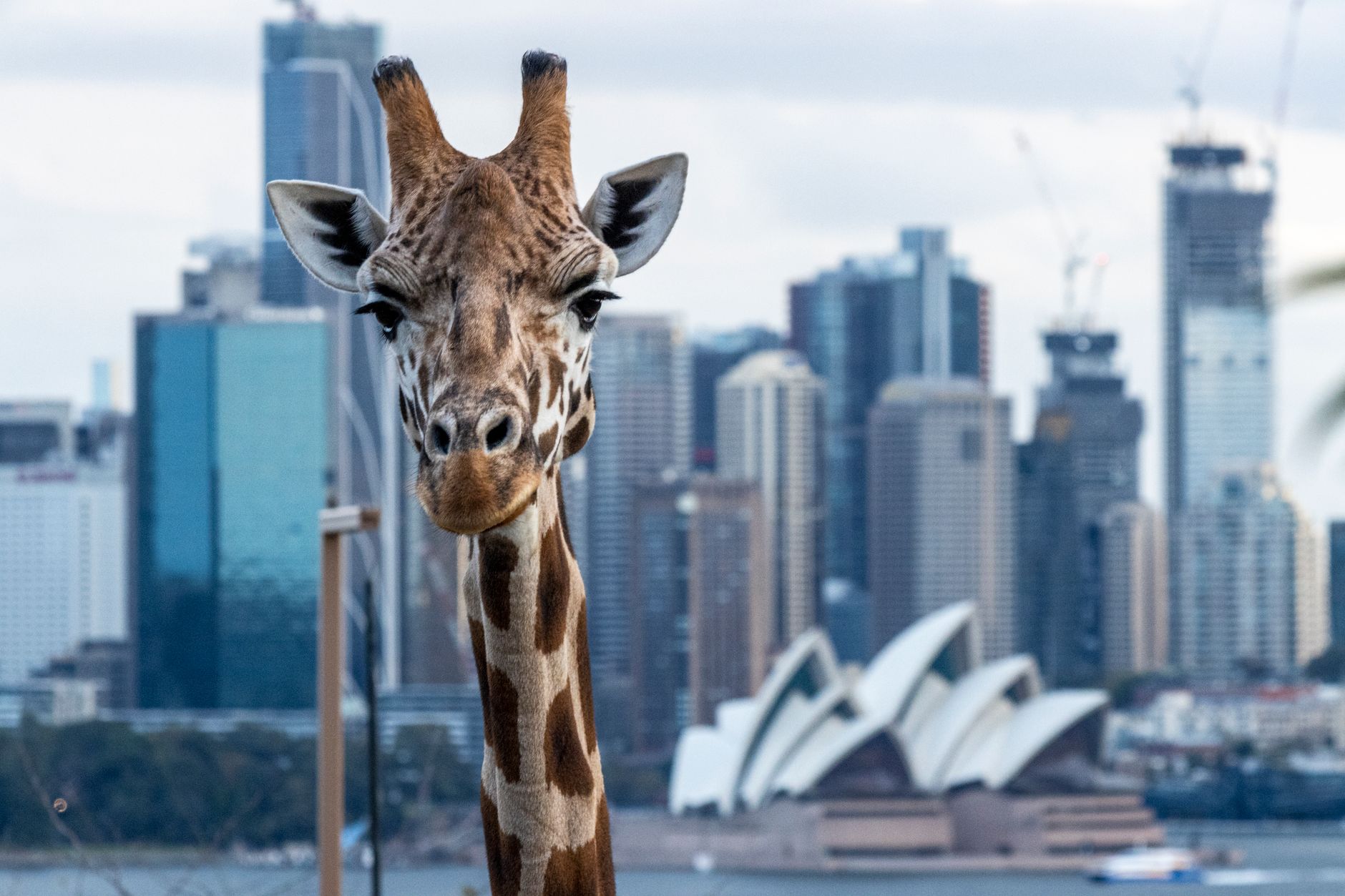
SYDNEY, 07 March 2026 – Taronga Zoo continues to solidify its reputation as a global leader in wildlife conservation, with recent breakthroughs in avian vocalisation research and ongoing success in its captive breeding programmes. Located on the shores of Sydney Harbour, the zoo currently cares for more than 4,000 animals representing over 350 species, many of which are classified as threatened or critically endangered.
Latest Updates: Rescuing the “Lost Song”
In a significant development this week, researchers at Taronga Zoo in Sydney and Taronga Western Plains Zoo in Dubbo have successfully implemented a “song tutoring” programme for the critically endangered regent honeyeater. As of 04 March 2026, wild-born birds have been recruited to teach captive-bred honeyeaters their native songs. This initiative aims to ensure that when these birds are released into the wild, they possess the necessary “cultural” vocal skills to attract mates and breed successfully, addressing a major hurdle in the species’ recovery.
This follows a string of successful world-firsts for the institution, including the recent hatching of Fiordland penguin chicks and a “baby boom” that has seen the arrival of pygmy hippo calves, chimpanzees, and seal pups over the last two years.
Conservation and Legacy
Taronga’s commitment to biodiversity extends beyond its exhibits. The Taronga Conservation Society Australia has been involved in captive breeding for over 50 years. One of its most iconic long-term projects involves the Greater Bilby, a species Taronga has managed since 1985. The zoo also played a pivotal role in the first Australasian Regional Conservation Management Programme for Asian Elephants, which began with the arrival of five elephants in 2007.
Taronga Zoo Quick Facts
| Category | Details |
|---|---|
| Total Animals | Over 4,000 |
| Total Species | Over 350 |
| Key Conservation Species | Regent Honeyeater, Greater Bilby, Asian Elephant, Pygmy Hippo |
| Location | Mosman, Sydney (Taronga Zoo) & Dubbo (Western Plains) |
| Education Provider | Taronga Training Institute (RTO Code 91359) |
Visitor Insights
Public sentiment remains high for the harbour-side icon. Recent visitors often compare Taronga to the newer Sydney Zoo in Western Sydney, noting that while Taronga is much larger and requires more time to navigate, its historical significance and conservation depth are unmatched. Travellers frequently recommend taking the ferry from Circular Quay to the zoo as a “bucket list” Sydney experience, offering views of Rose Bay and Watsons Bay along the way.
For those looking for a more hands-on experience, the zoo offers a comprehensive keeper activity timetable, allowing guests to see animals like echidnas and primates during scheduled educational talks.
Frequently Asked Questions
What is the “song tutoring” programme at Taronga?
It is a recent conservation initiative where wild-born regent honeyeaters are used to teach captive-bred birds their natural songs. This prevents the loss of “vocal culture” and increases the chances of successful breeding once the birds are released into the wild.
How many animals are at Taronga Zoo?
Taronga Zoo is home to over 4,000 animals from more than 350 different species, with a heavy focus on Australian native wildlife and international endangered species.
Can I study animal care at the zoo?
Yes, the Taronga Training Institute offers accredited courses in Animal Care and management at both the Sydney and Dubbo locations.
What are some of the most recent births at the zoo?
Recent years have seen a “baby boom” including pygmy hippo calves, chimpanzee infants, seal pups, and world-first zoo-hatched Fiordland penguin chicks.