
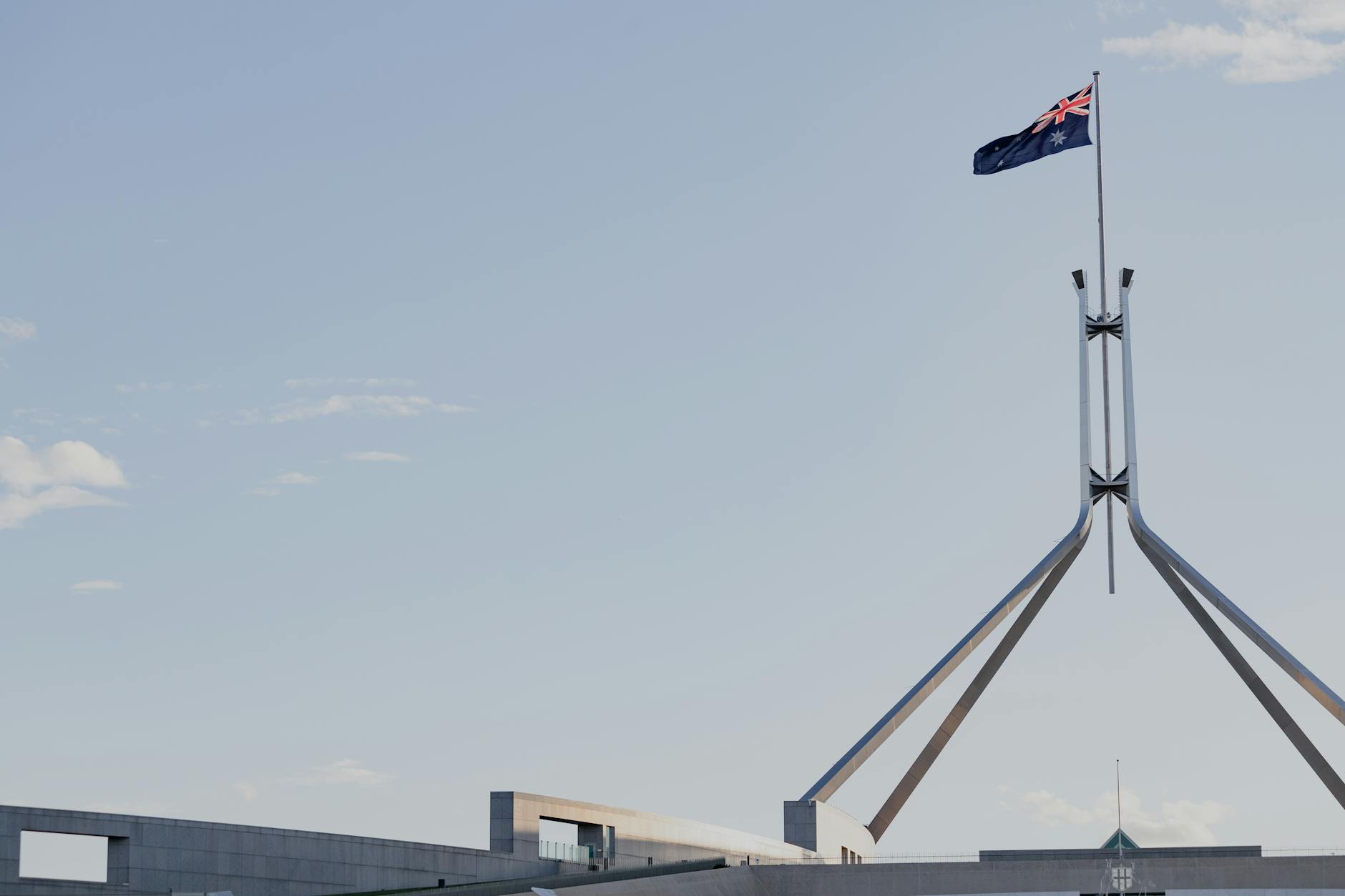
CANBERRA, 10 February 2026 – The Australian Senate estimates hearings have resumed this week, serving as a critical mechanism for parliamentary oversight as the nation prepares for the upcoming May budget. While the hearings are designed to scrutinise government expenditure and department performance, the current round has been marked by intense questioning over infrastructure costs, departmental transparency, and a backdrop of significant political instability within the Opposition.
Key Developments in Current Hearings
The February 2026 hearings have already produced several points of contention across various departments. On Monday and Tuesday, senators focused on the following areas:
- Parliamentary Renovations: Liberal senators have heavily scrutinised a A$2.2 million renovation bill for the Greens’ party room in Parliament House. Specific line items in the budget have been described by critics as “eye-watering” examples of taxpayer-funded expenditure.
- Indigenous Affairs: Senator Malarndirri McCarthy and the National Indigenous Australians Agency (NIAA) faced questions regarding First Nations racism concerns and the agency’s involvement with the Royal Commission on Antisemitism.
- Departmental Transparency: Senate President Sue Lines defended senior Parliamentary Services executives under fire for their handling of privilege rules. Reports indicate that the Department of Parliamentary Services (DPS) failed to consult the Senate Clerk on certain applications of privilege, a move critics say creates unnecessary risk.
- Climate and Finance: With the May budget approaching, committees have begun deep dives into climate policy funding and proposed finance cuts, alongside veteran affairs administration.
Political Impact on the Coalition
The timing of the estimates hearings has directly impacted internal Liberal Party dynamics. Despite a looming leadership challenge against Sussan Ley—with Angus Taylor reportedly claiming to have the necessary numbers—a formal party room vote has been delayed. Because 23 Liberal senators are required to attend estimates hearings, the party is unable to hold a full meeting of the party room, effectively stalling any immediate leadership spill.
The Role of Senate Estimates
Senate estimates are a cornerstone of the Australian annual budget cycle. Eight legislative committees meet three times a year to examine how public money is being utilised. These hearings allow senators to question ministers and senior Australian Public Service (APS) officials directly.
| Feature | Description |
|---|---|
| Frequency | Three times per year (Budget, Supplementary, and Additional estimates). |
| Committees | Eight legislative and general purpose standing committees. |
| Participants | Senators, Government Ministers, and senior APS officials. |
| Primary Purpose | Scrutiny of government expenditure, administration, and policy implementation. |
| Legal Basis | Senate Standing Orders and the Australian Constitution. |
Recent Controversies and “Strange” Moments
Beyond fiscal policy, the hearings often capture unusual exchanges. In the last 24 hours, public servants were reportedly left bemused by a “surprise question” regarding condoms from a female politician, highlighting the broad and sometimes unpredictable nature of the questioning permitted under Senate rules.
Additionally, the government has hit back at the volume of requests for documents, claiming that some senators are “wasting public servants’ time” with vexatious orders for production, further straining the relationship between the executive and the legislature during this sitting week.
Frequently Asked Questions
What are Senate estimates?
Senate estimates are public hearings where committees of the Australian Senate examine the government’s proposed expenditure. They provide a forum for senators to ask detailed questions about how departments spend taxpayer money and manage public programmes.
Who must attend Senate estimates?
Ministers (or senators representing ministers from the House of Representatives) and senior public servants, such as Department Secretaries and Chief Executives, are required to appear to answer questions from the committee.
Why are the current hearings affecting the Liberal leadership?
Because a large number of Liberal senators are required to be present in committee rooms for the hearings, the Liberal Party cannot convene a full party room meeting. This has delayed a potential leadership challenge between Sussan Ley and Angus Taylor until the senators are available.
When is the next federal budget?
The Australian federal budget is typically delivered in May. The current February estimates hearings serve as the “Additional Estimates,” where the previous year’s spending is reviewed and the groundwork for the upcoming budget is laid.