
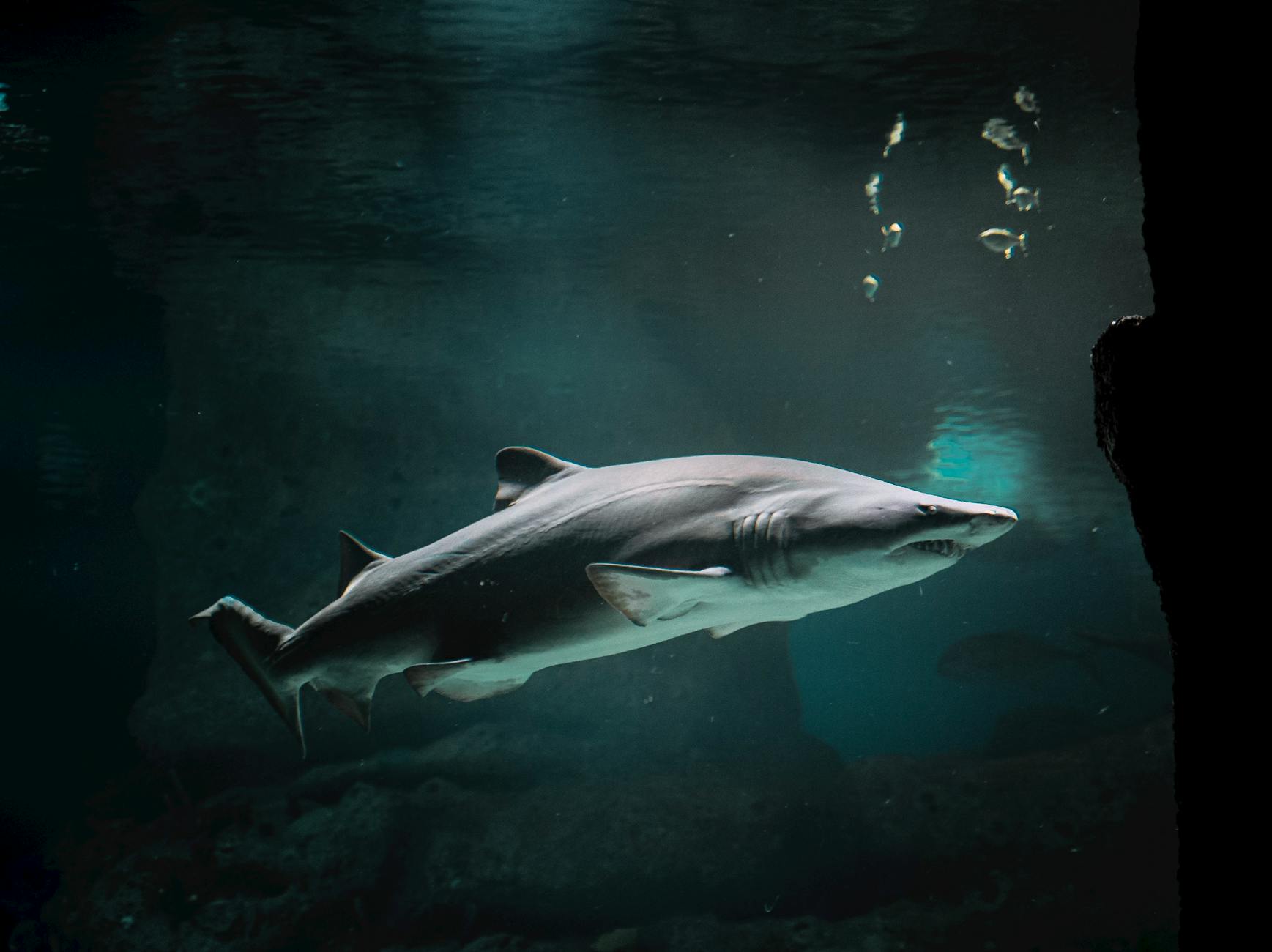
SYDNEY, 25 February 2026 – The International Shark Attack File (ISAF) has released its comprehensive report for 2025, revealing a notable increase in unprovoked shark encounters compared to the record lows of 2024. While the figures show a return to historical averages, experts are highlighting shifting geographical hotspots and the impact of human activity on marine behaviour.
2025 Global Statistics: A Return to the Mean
According to the latest ISAF data published last week, there were 65 confirmed unprovoked shark bites worldwide in 2025. This represents a significant rise from the 47 incidents recorded in 2024, which was described by researchers as an “exceptionally calm” year. Despite the year-on-year increase, the 2025 total remains closely aligned with the five-year average of 61 incidents annually.
The United States continues to lead the world in shark-human encounters, followed closely by Australia. Notably, Florida remains the global epicentre for shark activity, accounting for nearly half of all US cases.
Global Shark Attack Hotspots (2025 Data)
| Country/Region | Confirmed Unprovoked Bites | Key Localities |
|---|---|---|
| United States | 25 | Florida (11), Volusia County |
| Australia | 21 | South Australia, Queensland |
| Bahamas | 5 | N/A |
| New Zealand | 3 | N/A |
| Vanuatu | 1 | N/A |
Latest Updates and Recent Incidents
As of late February 2026, several high-profile incidents have already sparked renewed safety warnings. Just two hours ago, reports emerged of three shark attacks occurring within a 24-hour window, leaving a man and a 12-year-old child in critical condition. These incidents have prompted local authorities to temporarily shut down popular beaches to monitor for aggressive shark activity.
In Australia, experts are issuing warnings regarding a “stunning surge” in shark encounters. Research suggests that human activity and environmental factors, such as marine heatwaves and algal blooms, may be altering shark hunting patterns. Furthermore, data from late 2025 indicates that Great White sharks are spending more time in northern waters off New England and Atlantic Canada, likely following prey into warming chilly regions.
Understanding Shark Behaviour
Marine biologists categorise shark encounters into “provoked” and “unprovoked” incidents. Unprovoked bites occur in the shark’s natural habitat without human provocation. The most severe of these are often “bump and bite” attacks, typically associated with feeding behaviour where the shark tests a potential prey item.
While the fear of sharks remains high in the public consciousness—fuelled in part by new reality television series and media coverage—fatalities remain rare. In 2024, only seven fatal unprovoked attacks were recorded globally, with Great White sharks responsible for only three of those deaths.
Frequently Asked Questions
Which area has the most shark attacks?
Florida remains the world leader for shark bites. Within Florida, Volusia County is consistently recorded as the specific location with the highest number of unprovoked encounters, often due to the high volume of surfers and swimmers in the water.
Are shark attacks increasing in 2026?
While 2025 saw an increase over 2024, the numbers are currently within the expected historical range. However, the first two months of 2026 have seen several clusters of activity that have kept beach safety officials on high alert.
What should I do to stay safe in the water?
Experts recommend swimming in groups, staying close to the shore, and avoiding the water during dawn or dusk when sharks are most active. Additionally, avoid wearing shiny jewellery, which can resemble fish scales to a hunting shark.