
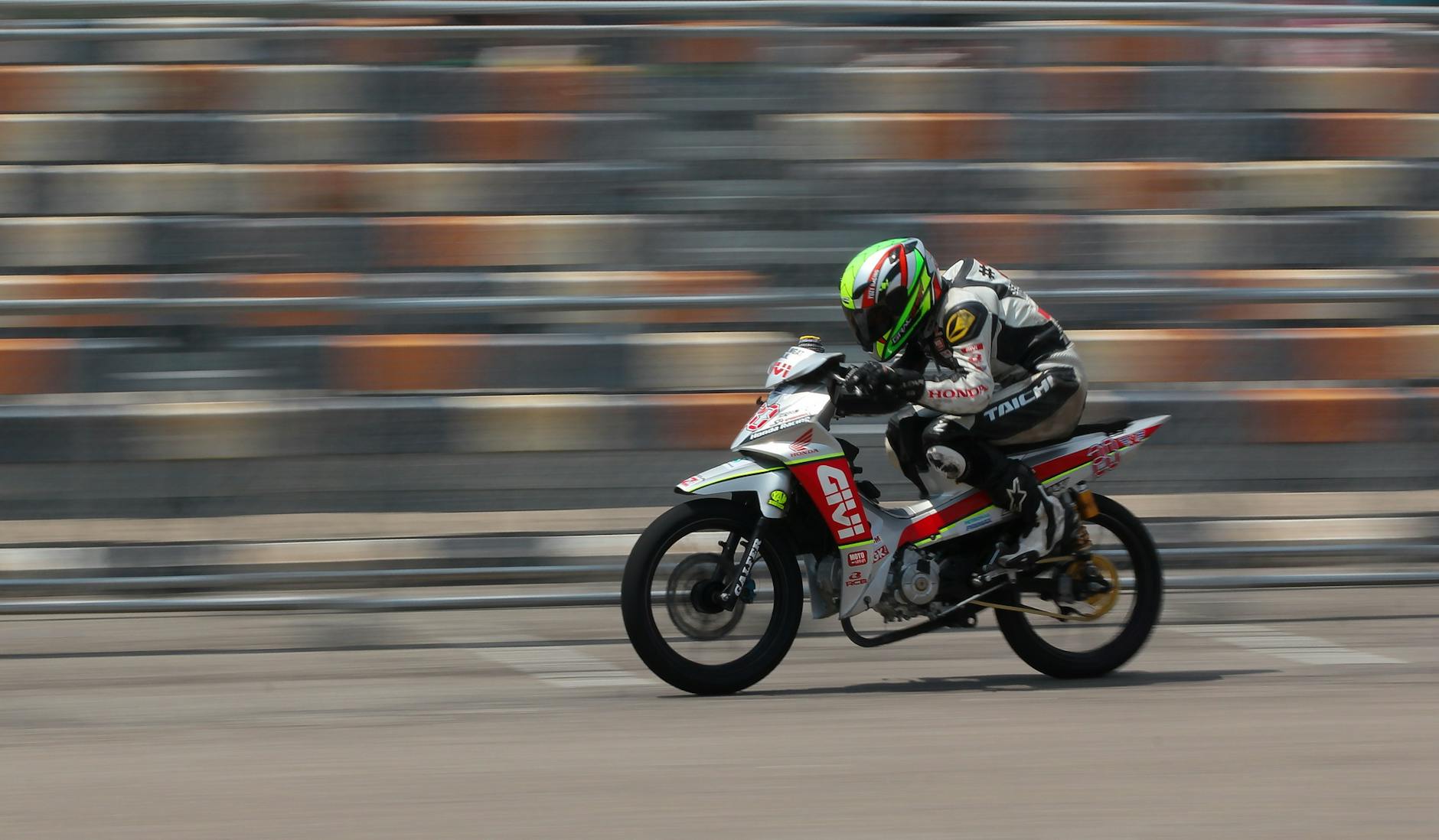
MELBOURNE, 18 February 2026 – As the 2026 MotoGP™ World Championship approaches its opening rounds, the paddock is buzzing with a mixture of stability and looming transformation. While the current grid remains largely settled following a quiet transfer market, the sport is undergoing significant corporate restructuring and preparing for the most radical technical overhaul in a generation.
Latest Updates: Corporate Shifts and Rider Dynamics
In a major move for the sport’s commercial future, Dorna Sports officially transitioned into the MotoGP Sports Entertainment Group on 16 February 2026. This rebranding signals a shift toward broader fan engagement and global market expansion as the series looks to capitalise on its growing popularity.
On the track, Marc Márquez enters the season as the defending champion, aiming to maintain his dominance. However, all eyes are on Toprak Razgatlıoğlu, who makes his highly anticipated MotoGP debut this year. Meanwhile, internal tensions are rising at Ducati; reports suggest a cooling relationship between the factory and Francesco Bagnaia following a difficult 2025 campaign, with rumours already circulating about Bagnaia’s potential departure ahead of the 2027 contract cycle.
Technical development has also seen a strategic split. Ducati has confirmed it will continue racing its 2024-spec engine through the end of the current 1000cc era to ensure reliability, while Honda has reportedly accelerated its development programme, claiming to have found a “technical base” capable of returning the Japanese giant to the front of the pack.
The 1000cc Era: Technical Specifications
The 2026 season represents the penultimate year of the current 1000cc regulations. These prototypes are the most advanced motorcycles in the world, governed by strict FIM regulations to balance performance and safety.
| Feature | Current Regulation Specification |
|---|---|
| Engine Displacement | 1000cc |
| Engine Type | 4-stroke prototypes |
| Engine Allocation | 7 engines per rider for the full season |
| Pit Lane Speed Limit | Standard fine of €200 for exceeding (Stewards may increase) |
| Flag-to-Flag Rule | Allows bike swaps for wet-weather tyres mid-race |
Looking Ahead: The 2027 Revolution
While 2026 focuses on the title fight between Márquez, Bagnaia, and the emerging Razgatlıoğlu, the “Silly Season” for 2027 has already begun. The sport is set for a massive technical shift in 2027, which will see engine sizes reduced from 1000cc to 850cc. This change is designed to improve safety and reduce top speeds, which have consistently broken records over the last three seasons.
Public and paddock insights suggest that 2026 will be a “marketing-heavy” year, with teams like Aprilia and Yamaha fighting to retain star riders like Fabio Quartararo amidst rumours of a move to Honda. The current contract cycle is largely viewed as a holding pattern before the 2027 “reset” allows riders to jump to manufacturers that best adapt to the smaller engine displacement.
Frequently Asked Questions
Who is the defending MotoGP champion for the 2026 season?
Marc Márquez enters the 2026 season as the defending World Champion following a successful 2025 campaign.
What are the major rider changes for 2026?
The 2026 grid is remarkably stable compared to previous years, with the most significant addition being the arrival of Toprak Razgatlıoğlu from World Superbikes.
When do the MotoGP engine rules change next?
The current 1000cc engine era concludes at the end of 2026. Starting in 2027, the championship will transition to 850cc engines as part of a new technical regulation cycle.
How many engines can a MotoGP rider use?
Under current FIM regulations, riders have 7 engines at their disposal for the entire championship season.