
BUNDABERG, 05 March 2026 – Lady Elliot Island, the southernmost coral cay of the Great Barrier Reef, continues to solidify its reputation as a global leader in sustainable tourism and biodiversity restoration. Located approximately 80 kilometres north-east of Bundaberg, this remote sanctuary has transformed from a historical mining site into one of Australia’s most vital marine nurseries.
Recent reports from the Queensland Department of Environment, Tourism, Science and Innovation highlight the Lady Elliot Island Eco Resort as a pioneer in “green zone” management. These highly protected areas have allowed the island to serve as a crucial breeding ground, effectively “seeding” the southern Great Barrier Reef with diverse marine life.
A Sanctuary for Marine and Avian Life
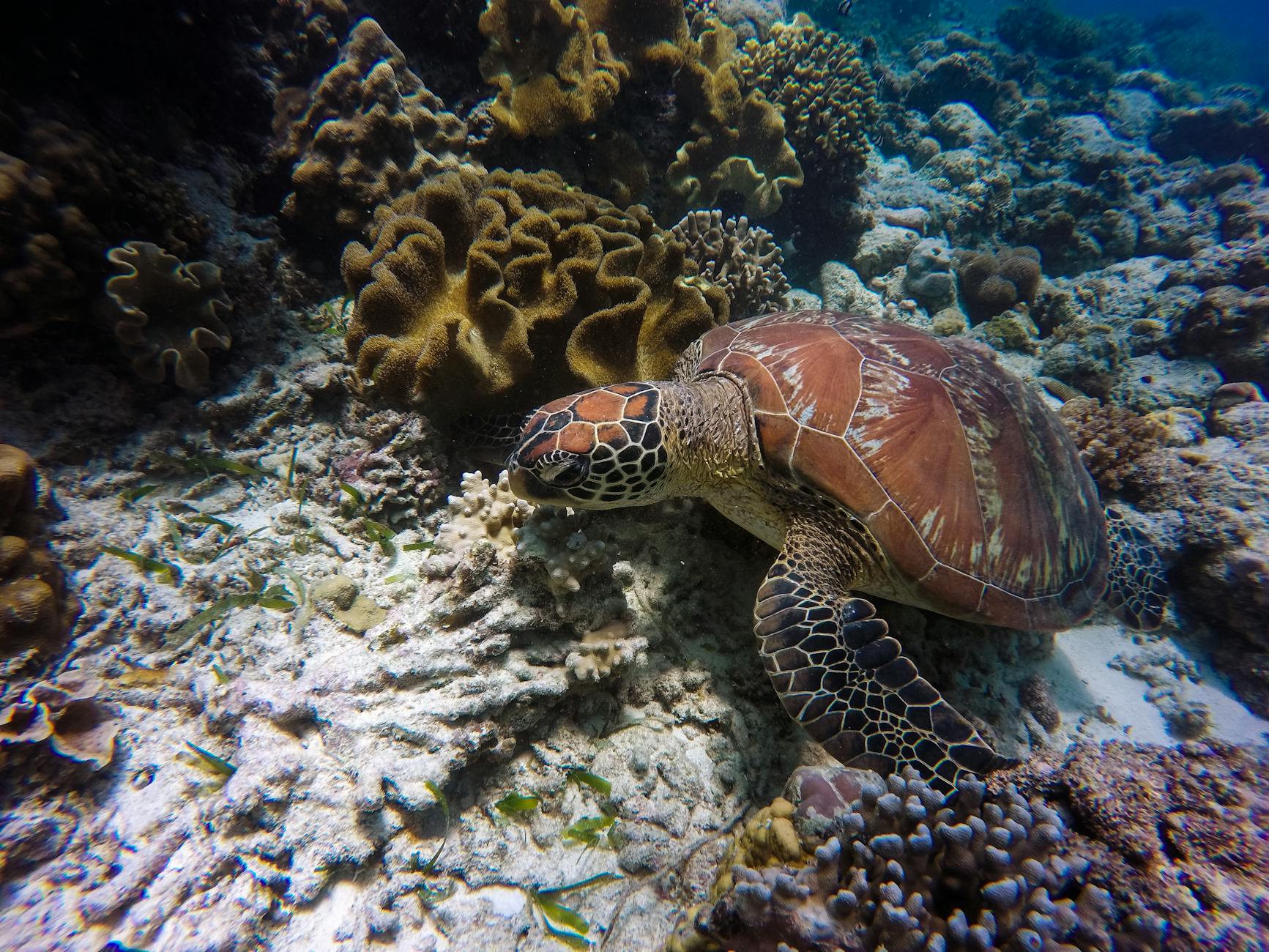
The island is renowned for its incredible density of wildlife, hosting over 1,200 species of marine life. It is particularly famous for its resident population of manta rays, which can be seen year-round, and its role as a nesting site for green and loggerhead turtles. In 2023, researchers even discovered a previously unknown species, the Lady Elliot Shrimp Goby, during biodiversity mapping.
On land, the island’s “Leaf to Reef” revegetation programme has turned what was once a barren landscape into a lush habitat. It now boasts the greatest diversity of seabirds in the Great Barrier Reef, with recent studies identifying unique evolutionary traits in local bird populations, such as the silvereye, which are adapting rapidly to the island’s restored forest environment.
Lady Elliot Island Fact Sheet
| Feature | Details |
|---|---|
| Location | Southernmost coral cay of the Great Barrier Reef (85 km from Bundaberg) |
| Marine Species | 1,200+ (including Manta Rays, Turtles, and Dolphins) |
| Protection Status | Highest protection “Green Zone” |
| Key Wildlife | Manta rays, Green & Loggerhead turtles, Humpback whales (seasonal) |
| Recent Discovery | Lady Elliot Shrimp Goby (identified 2023) |
| Sustainability Focus | 100% renewable energy, revegetation, and “Leaf to Reef” programme |
Latest Updates: Conservation and Tourism
As of March 2026, Lady Elliot Island remains a top-tier destination for eco-conscious travellers. While some regions of the Great Barrier Reef have faced challenges with coral decline due to mass bleaching events in late 2025, the southern “Green Zones” around Lady Elliot have shown remarkable resilience. The island’s commitment to sustainability was recently recognised at the Queensland Tourism Awards, where local attractions claimed multiple gold honours for their contribution to reef protection.
Visitors are encouraged to participate in the “Lady Elliot Island Pledge,” a commitment to environmental stewardship that has become a hallmark of the guest experience. This initiative involves tourists directly in the island’s regeneration story, from monitoring coral health to supporting weed management and revegetation efforts.
Frequently Asked Questions
What is the best time of year to see Manta Rays?
While Manta Rays can be seen at Lady Elliot Island year-round, the peak season for sightings is typically during the winter months (May to August) when they congregate in larger numbers.
How do you get to Lady Elliot Island?
Access to the island is via scenic flight only. Daily flights depart from Bundaberg, Hervey Bay, Brisbane (Redcliffe), and the Gold Coast. There is no boat access for day guests or resort visitors to protect the surrounding reef.
Is the island suitable for day trips?
Yes, Lady Elliot Island is considered one of the best island day trips in Queensland. Day packages typically include return flights, snorkelling gear, a glass-bottom boat tour, and a buffet lunch.
What makes Lady Elliot Island different from other reef islands?
Unlike many other islands, Lady Elliot is a true coral cay located within a “Green Zone” (highly protected). This means the marine life is exceptionally unafraid of humans, and the biodiversity is significantly higher than in many other accessible parts of the reef.