
COTONOU, 07 February 2026 – The Republic of Benin continues to navigate a complex political and economic landscape following a period of significant instability. While the government remains focused on strengthening trade ties with its neighbours, particularly Nigeria, the nation is still reeling from a major security crisis that occurred late last year.
Latest Updates: Security and Trade
As of February 2026, Benin is maintaining a heightened state of vigilance. Recent reports indicate that the government is aggressively pursuing new economic strategies to mitigate the impact of regional upheavals in the Sahel. The CEO of APIEx recently noted that Benin is “doubling down” on its relationship with Nigeria to secure trade routes that have been disrupted by instability in neighbouring northern states.
However, diplomatic tensions remain high. In late January 2026, unconfirmed reports emerged regarding the arrest of several Nigerien intelligence agents in Cotonou. The Beninese authorities have accused these individuals of conducting covert operations, further straining the relationship between the two West African nations.
This follows the dramatic events of 07 December 2025, when a coup attempt was thwarted by loyalist troops. Soldiers had briefly appeared on state television claiming to have toppled President Patrice Talon. The attempt was condemned by the ECOWAS bloc, which deployed a standby force to ensure the stability of the Talon administration. President Talon has since vowed retribution against the mutineers, many of whom were reported to be in flight following the failed uprising.
National Profile and Governance
Benin, formerly known as Dahomey, is a narrow wedge of territory in West Africa. It transitioned to a democratic republic in the early 1990s and has since been known for its relatively stable presidential system, despite the recent unrest.
| Feature | Details |
|---|---|
| Official Name | Republic of Benin (République du Bénin) |
| Constitutional Capital | Porto-Novo |
| Seat of Government | Cotonou |
| Government Type | Presidential Republic |
| Official Language | French |
| Land Area | 112,622 sq km |
| Bordering Countries | Togo, Nigeria, Burkina Faso, Niger |
Cultural Heritage and Tourism
Despite political challenges, Benin remains a primary cultural hub in West Africa. It is globally recognised as the spiritual home of Voodoo (Vodun). The town of Ouidah continues to host major festivals, including the Yam Harvest Festival and the Ouidah Festival, which draw international visitors interested in the history of the Edo people and the former Kingdom of Dahomey.
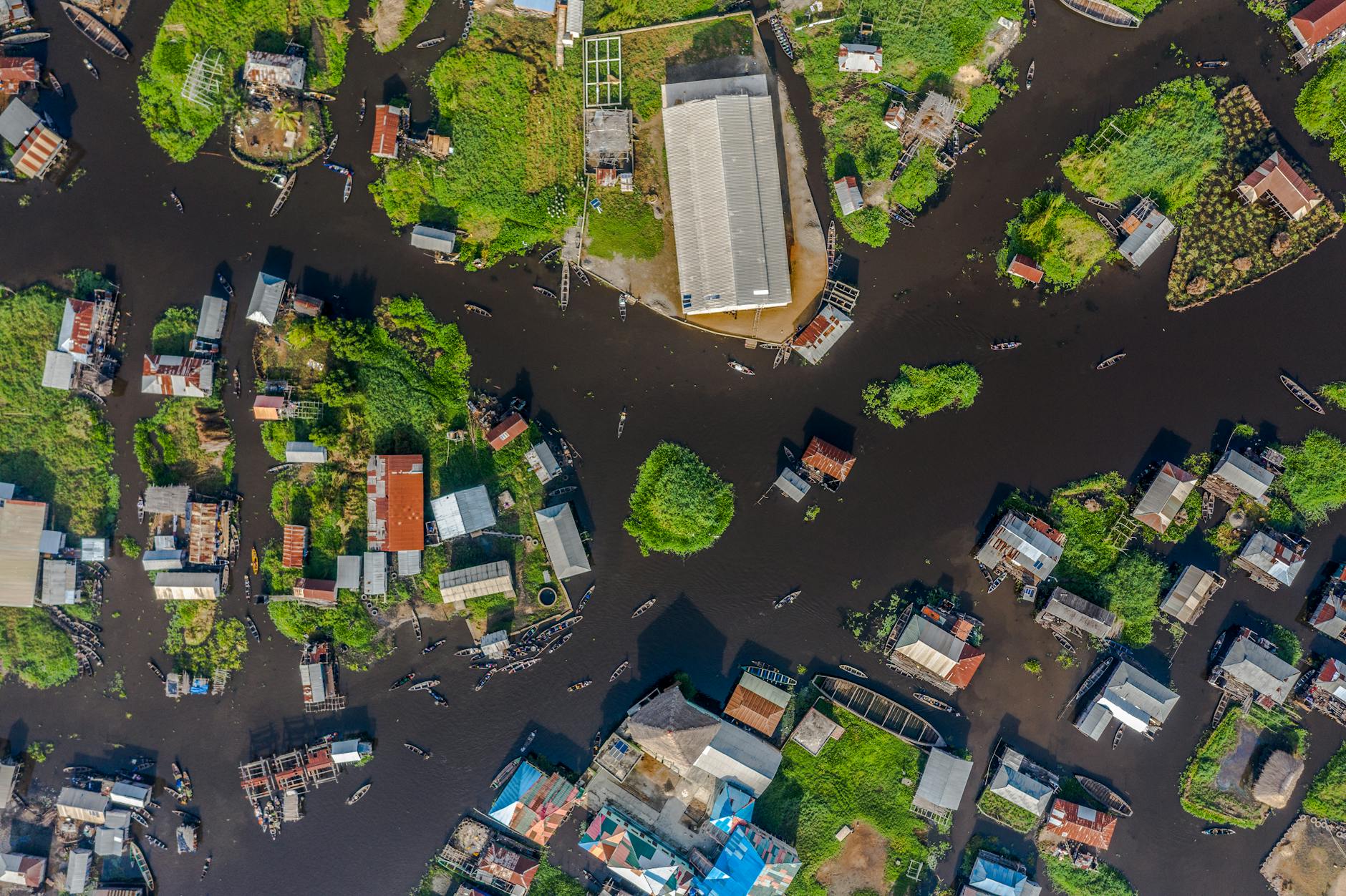
Tourism remains a vital sector, with the “Venice of Africa,” Ganvie—a village built on stilts in Lake Nokoué—serving as a major attraction. However, international travel advisories currently recommend caution due to the unpredictable security situation following the December coup attempt and ongoing regional tensions.
Frequently Asked Questions
What was Benin called before 1975?
Before 1975, the country was known as Dahomey. The name was changed to the Republic of Benin three years after a coup brought Major Mathieu Kérékou to power.
Who is the current President of Benin?
As of February 2026, Patrice Talon remains the President of Benin, having successfully retained power following a foiled coup attempt in December 2025.
What are the primary economic drivers in Benin?
Benin’s economy is heavily reliant on transit trade with Nigeria and the export of agricultural products. The Port of Cotonou serves as a critical maritime gateway for landlocked neighbours like Niger and Burkina Faso.