
Historic US Winter Storm Wreaks Havoc, Leaving Millions in the Dark and Cold
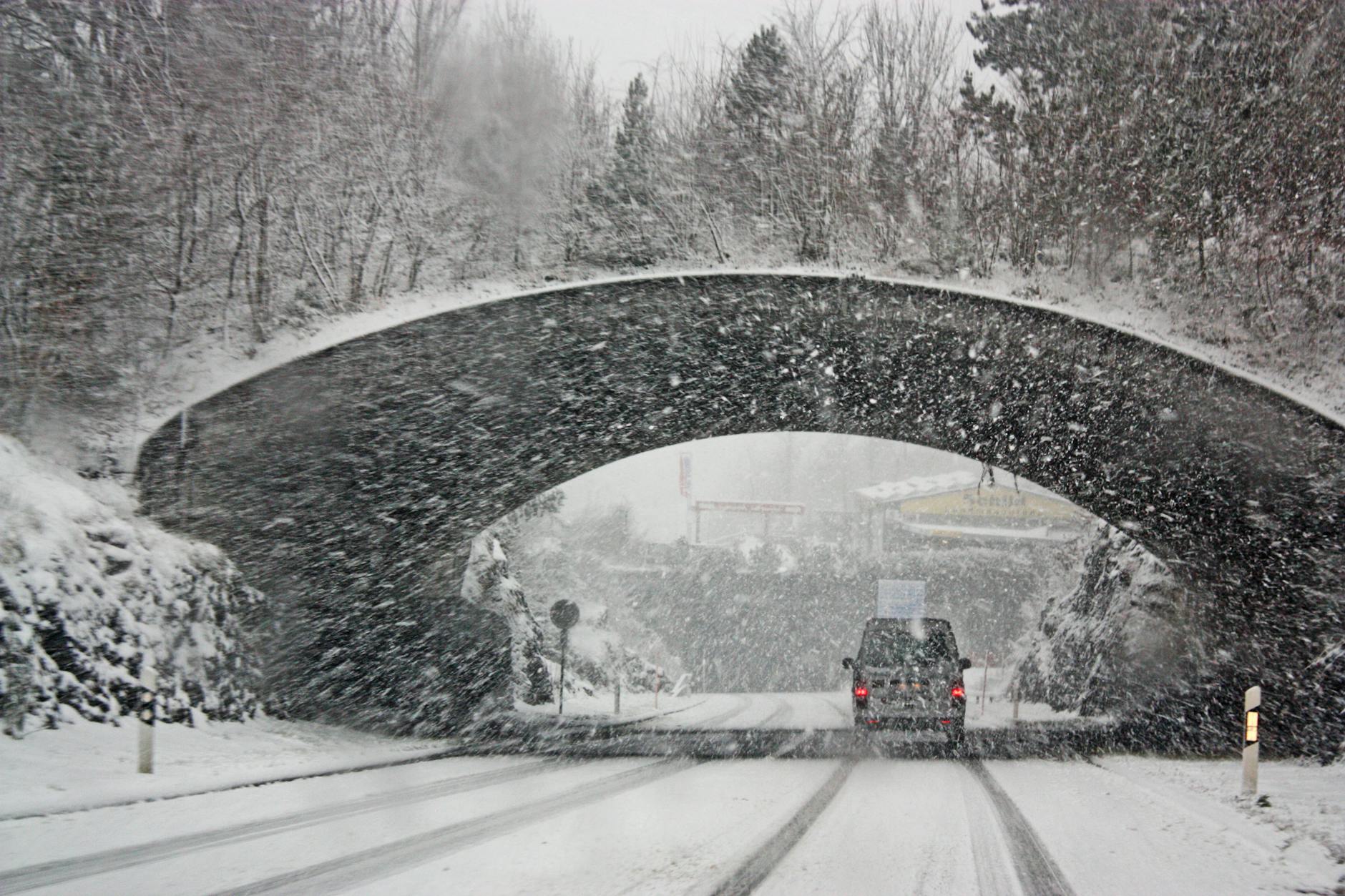
26 January 2026 – A colossal winter storm described by forecasters as “historic” has finished its devastating sweep across the United States, but millions are facing a prolonged crisis of power outages, paralysed travel, and life-threatening cold. The storm, which stretched over 2,300 miles from the Southwest to New England, unloaded a catastrophic mix of heavy snow, ice, and freezing rain from 23 through 25 January, affecting more than 40 states and 245 million people.
A Weekend of Unprecedented Disruption
The storm’s impacts escalated rapidly from Friday, 23 January. By Saturday, crippling ice had glazed Texas, Arkansas, and the Carolinas, snapping trees and power lines. Simultaneously, heavy snow began burying the Midwest and Northeast. Major cities including Dallas, Atlanta, Washington D.C., and New York City ground to a halt. State officials from New Jersey to Virginia urged residents to stay off the roads, with some jurisdictions suspending all non-essential travel. The storm peaked on Sunday, with snowfall rates reaching 2-3 inches per hour in some areas, creating near-whiteout conditions.
By the Numbers: The Storm’s Toll
| Impact Category | Reported Total |
|---|---|
| Power Outages (Peak) | Over 1 million customers |
| Flight Cancellations (Sat-Sun) | Approximately 13,000 |
| Max Snowfall | Over 30 inches in Appalachian mountains; 12+ inches in parts of Northeast |
| Ice Accumulation | Up to 0.5 inches or more in parts of the South, causing widespread tree damage |
| States Under Winter Alerts | More than 40 |
Regional Breakdown: From Ice Storms to Snow Burials
The South: Communities from Texas through the Carolinas faced an “ice storm apocalypse.” In Mississippi and Georgia, roads became “ice skating rinks,” leading to dozens of crashes. Charlotte, North Carolina, experienced its first National Weather Service-warned ice storm in two decades, with layers of sleet and ice coating the landscape and destroying power infrastructure.
The Northeast and Mid-Atlantic: The storm delivered the biggest snowfall in years for several cities. New York City saw over a foot of snow, its largest storm since February 2021, bringing a huge snowball fight to Central Park. Washington D.C. was blanketed by around 15 cm of snow and ice, shutting down the capital. Philadelphia and Boston also faced significant accumulations and travel chaos.
The Lingering Danger: A Deep and Dangerous Freeze
As the precipitation ends, a more insidious threat takes hold. A blast of Arctic air has flooded into the storm’s wake, with temperatures plummeting 15 to 40 degrees below average. Highs on 26 January are struggling to reach freezing across the Southeast, while the Northeast faces highs in the teens and single digits. This deep freeze means snow and ice will not melt, black ice will form readily, and power restoration efforts will be severely hampered. Officials warn that thousands could remain without heat and electricity for days in these frigid conditions.
Frequently Asked Questions
Is the winter storm over?
The major precipitation from the storm has ended as of 26 January. However, the dangerous impacts are very much ongoing due to widespread power outages, impassable roads, and the arrival of extreme cold.
What should I do if I still have no power?
Emergency management officials urge residents to use alternative heat sources safely, to prevent carbon monoxide poisoning. Check on vulnerable neighbours, keep pipes from freezing by letting taps drip, and use battery-powered devices for updates. Do not approach downed power lines.
When will travel return to normal?
Air travel will take several days to recover from the mass cancellations. Road conditions, particularly in rural and ice-affected areas in the South, may remain treacherous for days due to the persistent cold preventing melting. Check local transport authority updates before any journey.