
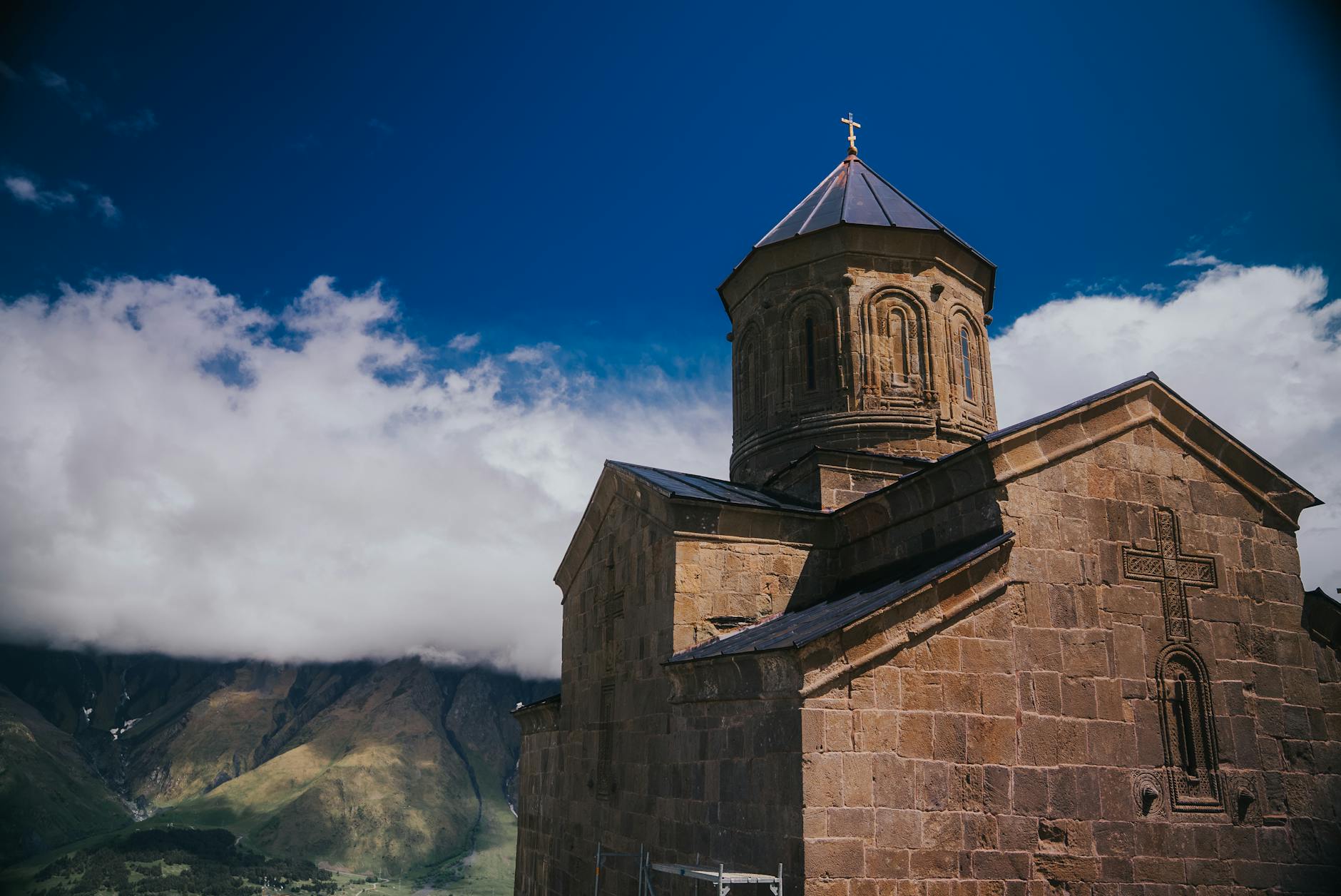
TBILISI, 17 February 2026 – Georgia continues to navigate a complex geopolitical landscape as the nation balances its European aspirations with internal political shifts and a growing tourism sector. Located at the intersection of Eastern Europe and Western Asia, the country remains a focal point for regional diplomacy and international travel.
Latest Political Developments
As of mid-February 2026, Georgia’s diplomatic calendar is active. Foreign Minister Maka Botchorishvili, representing the Georgian Dream party, visited Slovakia on 16 February 2026 to meet with her counterpart, Juraj Blanár. This visit comes amidst ongoing domestic tension, with former Prime Minister Giorgi Gakharia recently criticising the ruling party for allegedly squandering Georgia’s strategic position in the South Caucasus.
The nation is also under international scrutiny. The OSCE Moscow Mechanism was activated in late January 2026 by 24 countries in response to concerns regarding a crackdown on civil society. This follows a period of heightened tension, including anti-government protests in late 2025 where demonstrators attempted to storm the presidential palace in Tbilisi.
New Travel Regulations for 2026
For international visitors, the most significant change this year is the implementation of mandatory health and accident insurance. Effective 1 January 2026, all foreign tourists entering Georgia must carry valid insurance coverage. This rule applies to all visitors, including those from the UAE and Turkey, who previously enjoyed more flexible entry requirements.
Despite these new regulations, Georgia remains a “trend destination.” The tourism sector has received a boost from increased connectivity, including direct flights from major European hubs like Zurich, and a recent spotlight at ITB China, highlighting Georgia’s commitment to the Chinese outbound travel market.
Country Profile and Statistics
Georgia is defined by its diverse geography, ranging from the Black Sea coastline to the high peaks of the Greater Caucasus Mountains. The following data represents the core demographics and geographic facts of the nation.
| Feature | Details |
|---|---|
| Capital City | Tbilisi |
| Total Area | 69,700 sq km |
| Population | Approximately 3.7 million (excluding breakaway regions) |
| Official Language | Georgian |
| Major Ethnic Groups | Georgian (83.8%), Azeri (6.5%), Armenian (5.7%) |
| Bordering Countries | Russia, Turkey, Armenia, Azerbaijan |
| Life Expectancy | 69 years (Men) |
Regional Relations
The South Caucasus region is currently seeing high-level engagement from the United States. Last week, U.S. Vice President Vance conducted a historic trip to neighbouring Armenia and Azerbaijan. While the visit focused on peace initiatives between those two nations, the ripple effects are closely watched in Tbilisi as Georgia seeks to maintain its role as a regional hub for transit and diplomacy.
Frequently Asked Questions
Do I need insurance to visit Georgia in 2026?
Yes. As of 1 January 2026, all foreign tourists are required to have valid health and accident insurance to enter the country.
What is the current political situation in Georgia?
The country is currently led by the Georgian Dream party. While the government maintains a subtle approach to regional relations, it faces criticism from opposition leaders and international bodies like the OSCE regarding civil society freedoms and its proximity to Moscow’s influence.
What are the main languages spoken in Georgia?
Georgian is the official language. However, Russian and Armenian are also widely spoken, and English is increasingly common in tourist areas and among the younger generation in Tbilisi.
Is Georgia part of Europe or Asia?
Georgia is located in the Caucasus region, often described as being at the crossroads of Eastern Europe and Western Asia. Politically and culturally, the nation identifies strongly with Europe and is an aspirant for European Union membership.