
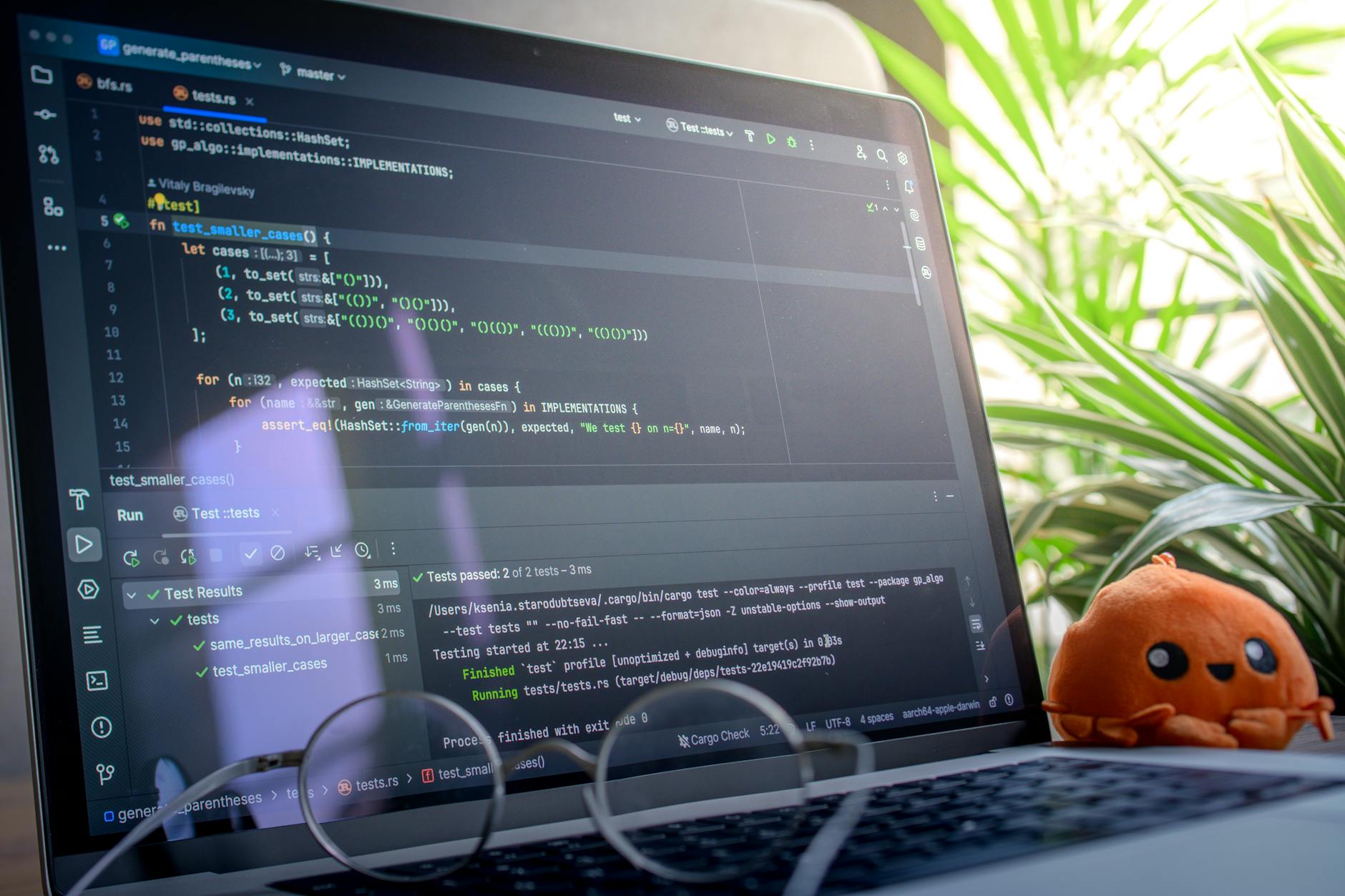
SYDNEY, 18 February 2026 – The software testing landscape is undergoing a seismic shift as traditional methodologies merge with advanced artificial intelligence. As of February 2026, the industry has moved beyond simple automation, embracing “agentic AI” and self-healing test suites to manage the increasing complexity of modern software ecosystems.
Latest Updates: The AI Revolution in Testing
In the last week, several major developments have highlighted the transition from manual-heavy processes to AI-augmented workflows:
- Self-Healing Tests: New reports from February 2026 indicate that self-healing tests—which automatically update themselves when a UI element changes—have become a standard requirement for enterprise-level QA.
- Agentic AI Integration: Industry leaders are now deploying AI “agents” that don’t just run scripts but actively monitor new regulations and cross-check them against running code to flag violations before audits occur.
- Vibe Coding Impact: A new trend known as “vibe coding” is influencing QA strategies, shifting the focus toward AI-assisted workflows where natural language prompts generate complex test cases in seconds.
- Market Growth: The automated software testing market continues to boom, with a heavy emphasis on cloud-based solutions, API testing, and security-first protocols.
Core Software Testing Methodologies
Despite the rapid technological advancement, the foundational methodologies of software testing remain the bedrock of quality assurance. These strategies determine how a project is approached from inception to deployment.
| Methodology | Description | Key Characteristics |
|---|---|---|
| Waterfall | A linear, sequential approach where testing occurs only after the development phase is complete. | Rigid structure, clear milestones, difficult to change requirements late. |
| Agile | An iterative approach where testing is integrated throughout the development lifecycle. | Continuous feedback, flexibility, collaborative. |
| Iterative | The project is divided into small parts, with each part going through a full development cycle. | Repeated cycles, evolving requirements. |
| Spiral | Combines iterative development with the systematic aspects of the waterfall model. | Heavy focus on risk assessment and management. |
| DevOps | Focuses on the integration of development and operations teams to automate testing and deployment. | Continuous Integration/Continuous Deployment (CI/CD). |
Primary Types of Software Testing
Testing is generally categorised into two main pillars: Manual Testing and Automation Testing. Within these, several specific test types are essential for a robust product:
- Unit Testing: Testing individual components or functions in isolation.
- Integration Testing: Ensuring that different modules or services work together correctly.
- Regression Testing: Re-running functional and non-functional tests to ensure that previously developed software still performs after a change.
- Acceptance Testing: Conducted to determine if the system satisfies the acceptance criteria and is ready for the end-user.
- API Testing: Validating the communication protocols between different software systems.
Public Insights and Industry Sentiment
Recent discussions within the QA community (February 2026) suggest a mix of excitement and caution regarding new tools. While AI-powered tools like ChatGPT and specialized agents are supercharging test case generation, experts warn that “AI doesn’t fix what is already broken.” Teams without a strong user focus or solid manual foundations often see a decline in performance when over-relying on AI.
Furthermore, indie developers have expressed frustration with increasingly bureaucratic testing requirements on major platforms like Google Play, which some perceive as a barrier to entry for smaller creators.
Frequently Asked Questions
What is the most popular testing framework in 2026?
Selenium, Cypress, Playwright, and Appium remain the leading frameworks, though most have now integrated AI capabilities to handle dynamic web elements and automated script maintenance.
Can AI replace manual testers?
While AI is automating repetitive tasks and script generation, the consensus in 2026 is that human testers are still vital for exploratory testing, usability assessment, and ethical oversight of AI agents.
What is “Self-Healing” in automation?
Self-healing refers to the ability of an automation tool to detect changes in the application’s code (like a button ID changing) and automatically adjust the test script to prevent it from failing.