
12 March 2026 – The United States and Israel have entered a second week of sustained military strikes against Iran, with the conflict escalating across the Middle East. Iranian forces have retaliated by targeting maritime traffic in the strategically vital Strait of Hormuz, raising fears of a global energy crisis. The war, which began with pre-emptive action by the US-Israeli alliance, has plunged the region into its most severe crisis in decades.
A Nation of Ancient Civilisation Under Fire
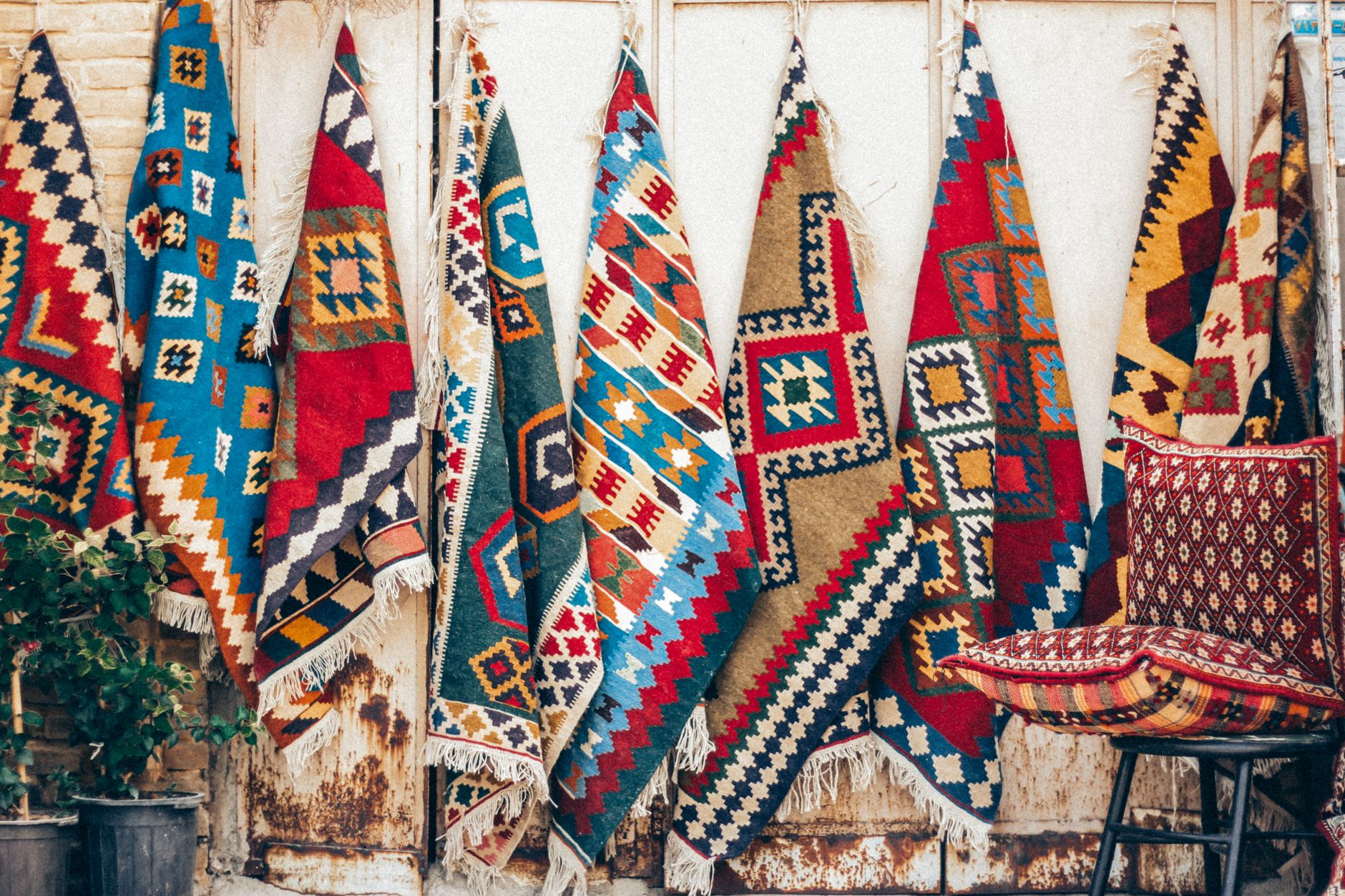
Iran, known historically as Persia, is home to one of the world’s oldest continuous major civilizations, with settlements dating back to 4000 BC. Its cultural heritage, spanning over four millennia, has significantly influenced global art, architecture, poetry, science, and philosophy. The country maintains a rich and distinctive cultural continuity dating back to the Achaemenian period, which began in 550 BCE. This deep history stands in stark contrast to the modern conflict now ravaging the region.
Latest Updates: Escalation and Retaliation
As of Thursday, 12 March 2026, the conflict has seen significant developments on multiple fronts.
| Date | Event | Source |
|---|---|---|
| 12 March (Today) | President Trump states the war is “going great” but could end “soon” because there is “practically nothing left to target”. He pledges, “We’re not stopping till the job is done.” | The Times |
| 12 March | Drone strikes hit street checkpoints in Tehran manned by the Basij militia, killing several people, according to residents and state media. | The New York Times |
| 12 March | Iran targets three ships near the Strait of Hormuz and warns U.S.-linked banks will be next. President Trump vows to end the war “soon, when he wants to”. | CBS News |
| 11 March | The U.S. and Israeli militaries carry out “some of the most complex” strikes, hammering Iran for a second week. Iranian forces and proxies strike back across the Middle East. | Atlantic Council |
| 11 March | The Persian Gulf energy crunch deepens as Iran retaliates across the region and targets ships in the Strait of Hormuz, disrupting a key global chokepoint. | PBS NewsHour |
| 9 March | US President Donald Trump says he expects the war on Iran to be over “very soon”. Mojtaba Khamenei is named the new Supreme Leader, signalling a hardline turn. | Al Jazeera |
Analysis and Public Sentiment
The rapid escalation and the installation of a new Supreme Leader, Mojtaba Khamenei, have led analysts to warn of an “alarming abundance of bad scenarios, including civil war.” Experts suggest the regime is stepping up threats against critics at home and abroad, intensifying fears of renewed repression. Public debate is fraught with oversimplified narratives, while within Iran, a divided media landscape makes obtaining reliable information during wartime even harder.
Some commentators argue the conflict is reshaping political consciousness across the Gulf, with societies prioritising stability and national security above ideological alignment. Others point to Iran being at a “historic turning point,” facing economic pressures, widening social divisions, and growing internal tensions after more than four decades of Islamic Republic rule.
Frequently Asked Questions
What is the Strait of Hormuz and why is it important?
The Strait of Hormuz is a narrow seaway connecting the Persian Gulf with the Gulf of Oman and the Arabian Sea. It is one of the world’s most important oil transit chokepoints. Iran’s recent targeting of ships there has directly threatened global energy supplies, spiking oil prices and causing major economic concern.
Who is Iran’s new Supreme Leader?
Mojtaba Khamenei was named Supreme Leader in early March 2026, succeeding his father. Analysts view his ascension as signalling a hardline turn within the Iranian regime, likely strengthening the Revolutionary Guards and increasing the risk of further internal conflict.
How is the Iranian public reacting to the war?
Reports indicate a complex landscape. The regime has intensified threatening rhetoric against critics. Meanwhile, economic pressures and social divisions that fuelled protests earlier in the year persist, with some analysts suggesting public desires for a merit-based society could be a revolutionary spark under the current crisis.
What is the stated U.S. objective in this conflict?
President Trump has struggled to articulate a clear case for the pre-emptive action, originally stating it was necessary despite his pledge to keep the United States out of foreign wars. His recent comments suggest an objective of degrading Iranian military capabilities to the point where there is “practically nothing left to target.”