
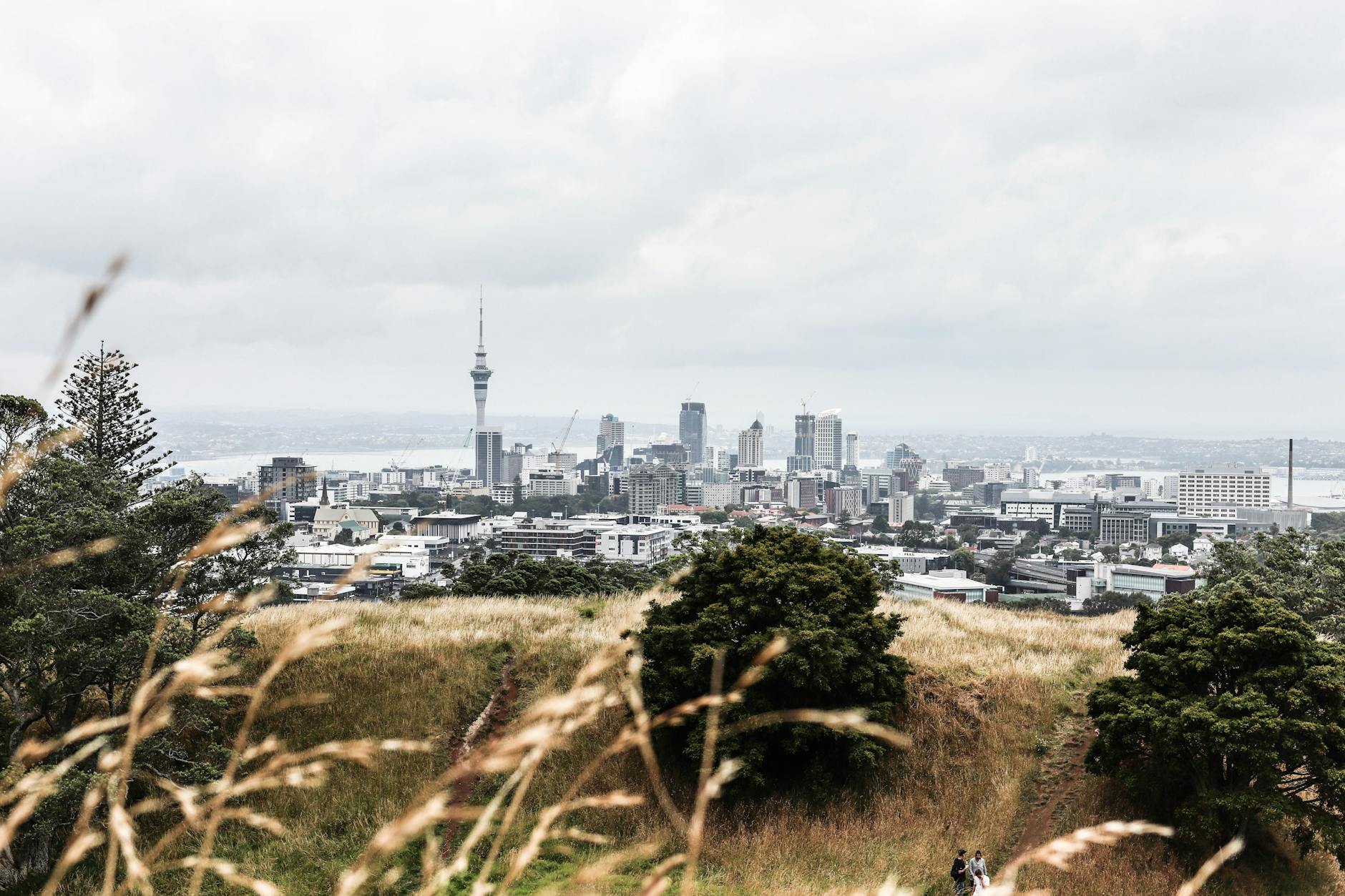
AUCKLAND, 27 March 2026 – The City of Sails is bracing for another severe weather event as a deep subtropical low brings heavy rain and strong gales to the upper North Island. All of Auckland is currently under MetService Orange warnings for rain and wind, with authorities warning of a low chance of escalation to Red-level alerts. This comes as communities in Northland begin evacuations and grapple with significant flooding, signalling a turbulent start to autumn.
Active Warnings & Immediate Impacts
As of Friday, 27 March, MetService has issued Orange strong wind warnings for Auckland, the Coromandel Peninsula, Taihape, Whanganui, and parts of Taranaki. An Orange heavy rain warning is also in force for the entire Auckland region. The severe weather follows a Red Heavy Rain Warning that was in effect for Northland from the evening of 25 March, leading to evacuations in Kaitāia, flooded roads, and power outages affecting approximately 1,600 homes.
Emergency Management Minister Mark Mitchell provided an update on the situation in the Far North, which remains in a state of emergency. Auckland Civil Defence has advised residents to prepare for potential flooding, secure loose items, and avoid unnecessary travel. Fire and Emergency New Zealand has deployed specialist water rescue teams to Whangārei and Auckland in anticipation of further impacts.
Auckland’s Typical Climate Profile
Under normal conditions, Auckland enjoys a temperate maritime climate, characterised by mild, wet winters and warm, humid summers. This current bout of severe weather is an exception to the region’s generally moderate patterns.
| Feature | Description |
|---|---|
| Climate Type | Oceanic (Maritime) |
| Summer (Dec-Feb) | Warm and humid. Average temperatures range from 20°C to 23°C (68°F–73°F). January is typically the hottest month. |
| Winter (Jun-Aug) | Mild, cool, and rainy. Average temperatures are around 11°C (52°F) in July, the coldest month. |
| Annual Rainfall | Distributed fairly evenly, with around 32% of the yearly total expected during the winter months. |
| Year-Round Conditions | Often windy and partly cloudy. Northern cities like Auckland experience mean yearly maximum temperatures of 19–20°C (66–68°F). |
The Bigger Picture: Climate Change & El Niño
Meteorologists and climate scientists are increasingly linking intense weather events to broader global patterns. NIWA’s latest Hotspot Watch notes abnormally dry conditions in some regions, contrasting with the current deluge—a sign of a shifting and more volatile climate.
Experts warn that the anticipated return of an El Niño climate pattern, combined with ongoing global warming, could amplify extreme weather in New Zealand. The country’s warming rate has increased markedly in recent decades, and Auckland’s mean annual temperature has already risen by about 1.6 degrees Celsius over the past century. Infrastructure leaders, like Downer NZ’s managing director, are now publicly urging a shift from reactive recovery to proactive, climate-adapted planning in the wake of repeated storms.
Frequently Asked Questions
What is the difference between Orange and Red weather warnings?
MetService issues colour-coded warnings. An Orange Warning signifies severe weather conditions that could disrupt travel, damage property, and threaten livestock. A Red Warning is the highest level, indicating an “impactful, dangerous and destructive” event that poses a threat to life and requires immediate action.
Is this severe weather linked to climate change?
While no single weather event can be solely attributed to climate change, scientists confirm that a warming climate intensifies the hydrological cycle. This leads to more frequent and severe rainfall events in many regions, including New Zealand. The current storm system fits a pattern of increasing volatility that climate models have long projected.
What should Auckland residents do right now?
Residents should monitor official channels like MetService and Auckland Emergency Management. Secure loose outdoor items, clear drains and gutters, prepare an emergency kit with essentials, and have a plan in case you need to evacuate or lose power. Avoid non-essential travel, especially in areas prone to flooding.