
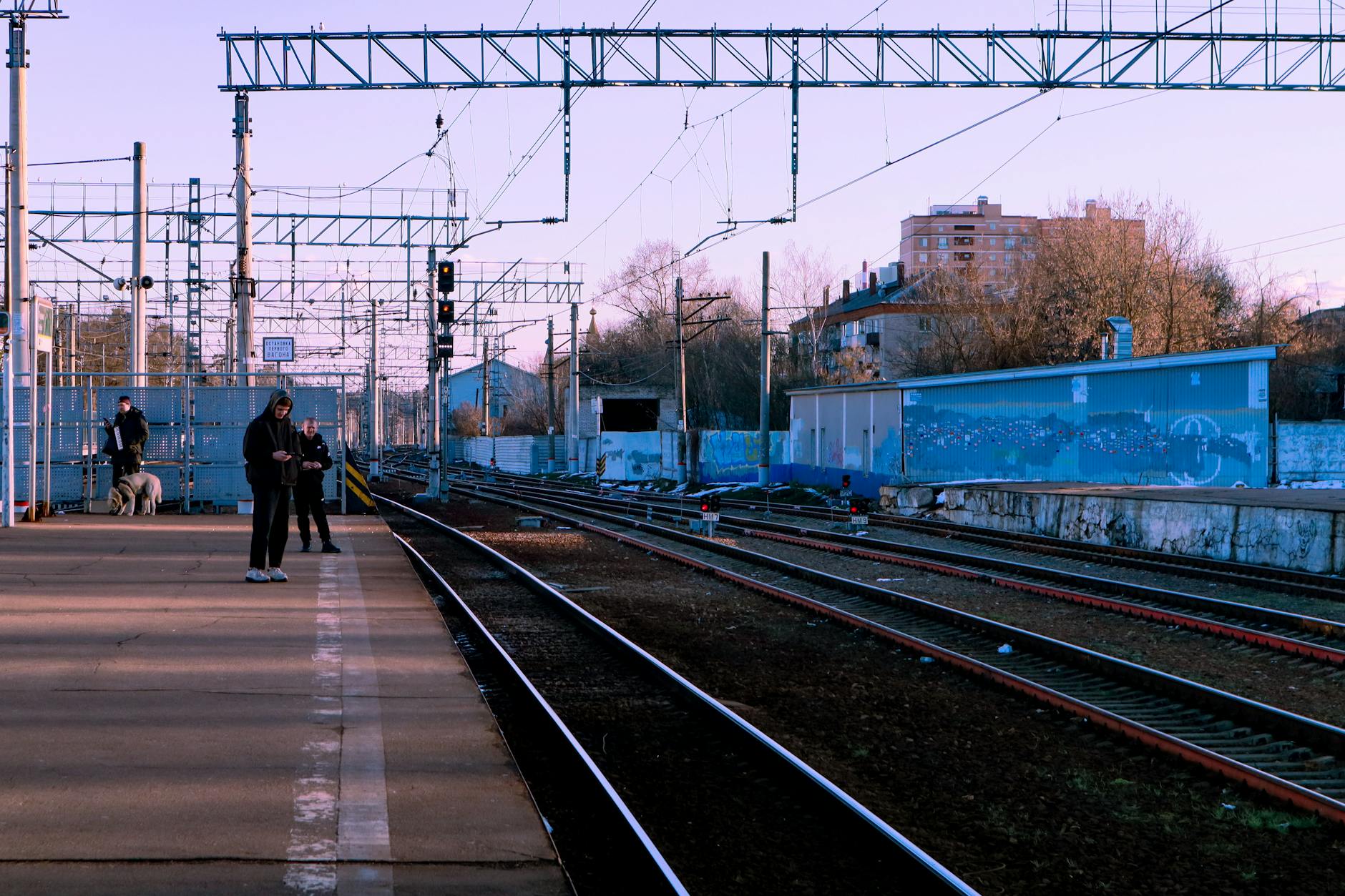
[OTTAWA], 26 February 2026 – Commuters and long-distance travellers are facing a wave of cancellations and significant delays this week as a combination of industrial action in Europe and severe winter weather in North America cripples rail networks. From nationwide strikes in Germany to blizzard-induced suspensions in the Northeastern United States and Canada, passengers are being urged to verify their travel plans before heading to the station.
Current Major Rail Disruptions
As of Thursday, 26 February, several major rail corridors are experiencing active service interruptions:
- Germany: A 48-hour nationwide strike began today, Friday (local time), affecting local public transport, trams, and buses. Long-distance “Sprinter” services between major hubs like Cologne and Frankfurt are expected to face significant cancellations through the weekend.
- Northeastern United States: Amtrak has temporarily suspended services between New York and Boston. A powerful winter storm bringing heavy snow and blizzard conditions has made rail travel unsafe in the region.
- Canada: Saskatoon Transit is reporting delays due to the season’s first major snowfall and icy road conditions. Additionally, VIA Rail continues to struggle with equipment shortages, leading to sporadic cancellations and “sellout” conditions on remaining operational vintage fleet cars.
- Los Angeles: The Metro A Line is experiencing a major disruption, with trains turning back at South Pasadena and Fillmore Station. Bus shuttles have been requested to bridge the gap for stranded commuters.
Passenger Rights and Refund Policies
With the recent surge in reliability issues, the Canadian federal transport minister has called on VIA Rail to improve customer service. Unlike air travellers, rail passengers in Canada do not currently have a formal “Bill of Rights,” though the VIA Rail CEO has publicly advocated for such legislation to give passenger trains right-of-way over freight.
Under current VIA Rail policies, compensation for delays and cancellations is generally handled as follows:
| Delay Duration | Refund/Credit Entitlement |
|---|---|
| 15 Minutes | 25% Refund |
| 30 Minutes | 50% Refund |
| 60+ Minutes | 100% Refund |
| Cancelled Train | Full Refund + 50% Travel Credit (Case-by-case) |
Note: Refund amounts may be halved for return portions of a journey. Passengers on trains cancelled due to weather between 24–26 December historically received automatic full refunds.
Public Sentiment and Infrastructure Challenges
Public insights highlight a growing frustration with transit reliability. In Toronto, the newly opened Finch West LRT has already faced complaints regarding slow travel times and signal priority issues. Meanwhile, international travellers using the Eurostar have noted that while city-centre connections are convenient, frequent delays and overcrowded terminals remain a significant deterrent.
In Saskatchewan, provincial ministries are currently working to minimize the impacts of broader service disruptions, including those affecting the postal service, which can impact the delivery of physical transit passes and documentation.
Frequently Asked Questions
What should I do if my train is cancelled?
Most carriers, including VIA Rail and Amtrak, allow passengers to rebook on the next available service or claim a full refund. It is recommended to check the carrier’s mobile app or “Service Alerts” page before leaving for the station.
Am I entitled to a hotel if I am stranded?
VIA Rail’s conditions of contract generally disclaim liability for expenses resulting from cancellations. However, during major incidents, Transport Canada works with stakeholders to implement response measures, which may occasionally include alternate transportation like motor coaches.
Why are so many trains being cancelled lately?
Current disruptions are attributed to three main factors: severe winter weather (ice and snow), industrial strike action (particularly in Europe), and a critical shortage of operational rail equipment and rolling stock in North America.