
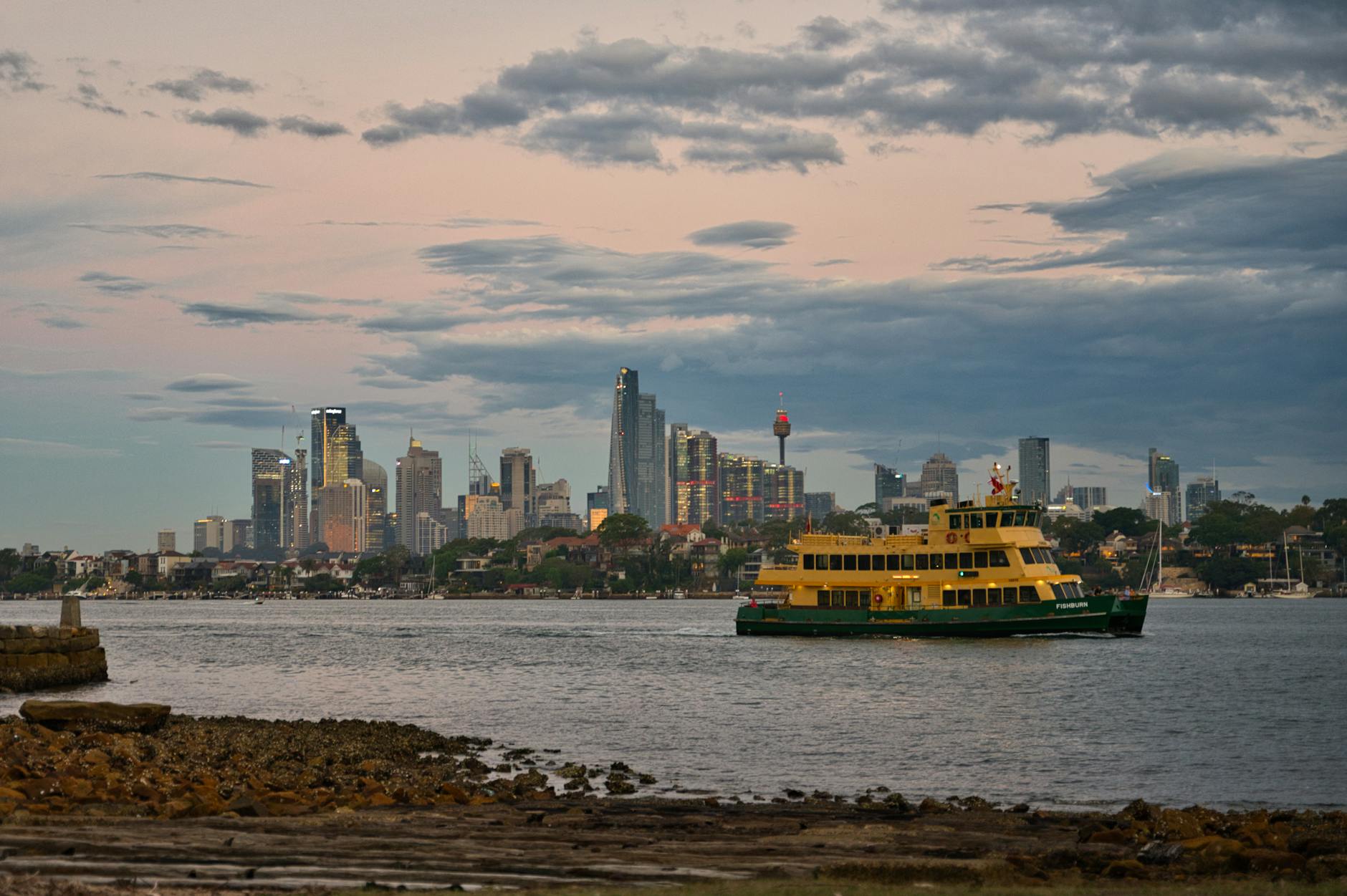
SYDNEY, 18 February 2026 – Sydneysiders are facing a volatile weather day as the city experiences a sharp contrast between soaring summer temperatures and an approaching storm front. While the morning began with intense heat across the metropolitan area, the Bureau of Meteorology (BoM) has issued warnings for potential thunderstorms and a significant cool change expected to sweep through by this evening.
Current Conditions and Forecast
As of Wednesday afternoon, temperatures have climbed rapidly across the Sydney basin. However, the heat is expected to be short-lived. A weather trough moving across New South Wales is bringing the threat of thunderstorms, which may include heavy rain and gusty winds, before a southerly change drops temperatures significantly overnight.
This “smorgasbord” of weather is typical for the tail end of the Australian summer, where high humidity often fuels late-afternoon atmospheric instability. Residents are advised to secure loose outdoor items and monitor local radar as the cool change approaches.
Sydney Climate Averages
Sydney’s climate is classified as humid subtropical, characterised by warm summers and mild winters. February is historically one of the warmest and most humid months of the year, often seeing the highest rainfall totals due to convective storm activity.
| Month | Mean Max Temp (°C) | Mean Min Temp (°C) | Average Rainfall (mm) |
|---|---|---|---|
| January | 26.8 | 19.0 | 96 |
| February | 26.5 | 19.1 | 129 |
| March | 25.1 | 17.8 | 130 |
| June | 17.3 | 9.0 | 128 |
| July | 16.7 | 8.1 | 96 |
Seasonal Outlook: Autumn is Approaching
With March just around the corner, public sentiment suggests that Sydney is entering its “sweet spot.” Local insights indicate that autumn (March to May) is often considered the most pleasant time to visit or be outdoors in the city. During this transition, the oppressive summer humidity begins to mellow, with daytime temperatures typically settling into the mid-20s.
Recent records show that Sydney’s weather has become increasingly unpredictable, with the city setting a 146-year rainfall record in late 2025. This trend of “wild weather” continues to impact daily commutes and outdoor events, as seen with recent storm-related flight delays and flash flooding warnings across the state.
Frequently Asked Questions
What is the hottest month in Sydney?
January is traditionally the hottest month in Sydney, with average daily maximums of 26.8°C, though individual days frequently exceed 35°C during heatwaves.
When is the best time to visit Sydney for good weather?
Many locals and travel experts recommend autumn (March to May). The weather is generally fine and warm, avoiding the extreme heat of mid-summer and the cooler winds of winter.
Does it rain a lot in Sydney?
Sydney receives approximately 912 mm of rain annually. Rainfall is fairly evenly distributed throughout the year, but June and February are statistically the wettest months.
What should I wear for Sydney weather today?
For Wednesday, 18 February, it is recommended to dress for high heat during the day but carry a light jacket or umbrella for the evening, as temperatures are expected to drop sharply following the predicted thunderstorms.