
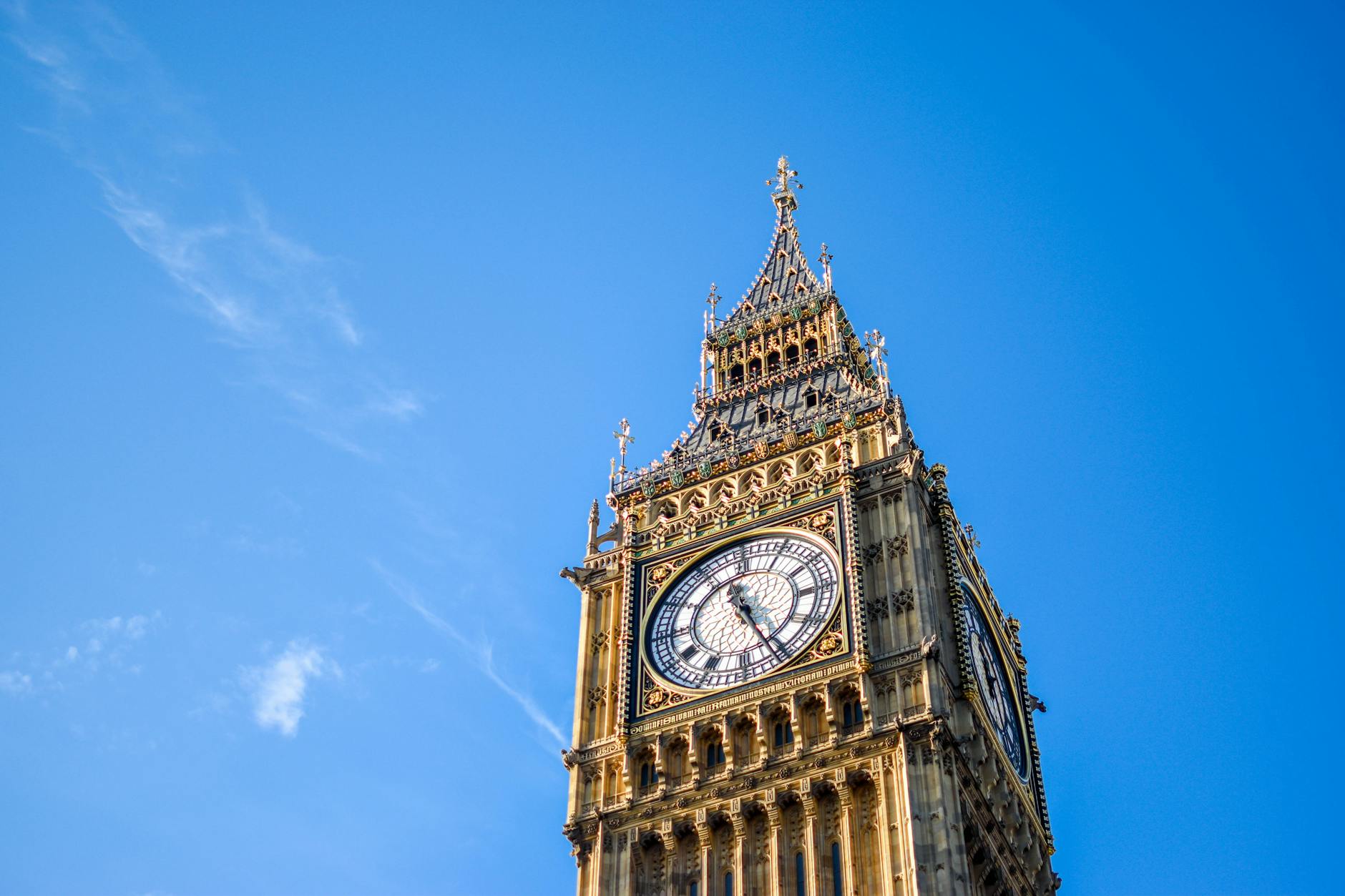
LONDON, 17 February 2026 – The Elizabeth Tower, universally known by the nickname of its Great Bell, “Big Ben,” continues to stand as the most defining silhouette of the British capital. Following the completion of its extensive multi-year restoration, the tower remains a focal point for both parliamentary proceedings and global tourism, maintaining its reputation for precision and Victorian architectural excellence.
Latest Updates: February 2026
As of mid-February 2026, the Elizabeth Tower is in full operational service. Recent parliamentary records from 11 February 2026 indicate that the Cabinet Office is continuing to publish updated records regarding the maintenance and historical documentation of the Palace of Westminster. While the major five-year restoration project concluded in late 2022, the tower recently received further acclaim, with the renovation work by Purcell Architecture winning a RIBA London Award in mid-2025 for its “masterpiece in conservation.”
Clockmakers continue to perform precision timing adjustments, particularly during seasonal transitions, to ensure the Great Clock remains one of the most accurate mechanical timepieces in the world. Visitors to London can currently hear the iconic “bongs” on the hour and the Westminster Quarters every fifteen minutes.
Architectural Specifications and Facts
The Elizabeth Tower is a masterpiece of Gothic Revival architecture, designed by Augustus Pugin and completed in 1859. It serves as the clock tower for the Palace of Westminster, the seat of the British Parliament.
| Feature | Specification |
|---|---|
| Official Name | Elizabeth Tower (renamed from Clock Tower in 2012) |
| Height | 96 metres (315 feet) |
| Floors | 11 floors |
| Staircase | 334 steps to the belfry |
| Clock Face Diameter | 6.9 metres (23 feet) |
| Architect | Augustus Pugin |
| Completion Year | 1859 |
| Structure Style | Gothic Revival |
The Great Bell: “Big Ben”
While the name is often applied to the entire tower, “Big Ben” technically refers only to the 13.7-tonne Great Bell housed within the belfry. The bell first rang out in 1859 and has since become a symbol of British resilience. During the 2017–2022 restoration, the bell was largely silenced to protect the hearing of workers on the 98-metre-high scaffolding, returning to regular service on 13 November 2022.
Public Insights and Visiting
Public sentiment remains overwhelmingly positive regarding the tower’s restored appearance, which returned the clock faces to their original Prussian blue colour scheme. Recent visitor insights from February 2026 highlight the popularity of the guided tours, though tourists are advised to book well in advance as slots for the 334-step climb are highly sought after. Solo travellers frequently cite the Westminster Bridge area as a premier location for photography, particularly at sunset when the tower’s illumination is most striking.
Frequently Asked Questions
Is Big Ben the name of the tower?
No, the official name of the tower is the Elizabeth Tower. “Big Ben” is the nickname of the largest of the five bells inside the tower, though it is commonly used to refer to the clock and the tower itself.
How many steps are in the Elizabeth Tower?
There are 334 steps to reach the belfry where the Great Bell hangs. There is no public lift, so visitors on official tours must be fit enough to complete the climb.
Why was the clock face changed from black to blue?
During the recent restoration, conservators discovered that the original Victorian colour scheme was Prussian blue. The black paint seen for much of the 20th century was a later addition, likely used to hide the effects of London’s heavy pollution.
Can international tourists tour the inside of the tower?
Tours are available to the public, including international visitors, but they must be booked through the official UK Parliament website. Due to high demand, tickets often sell out months in advance.