
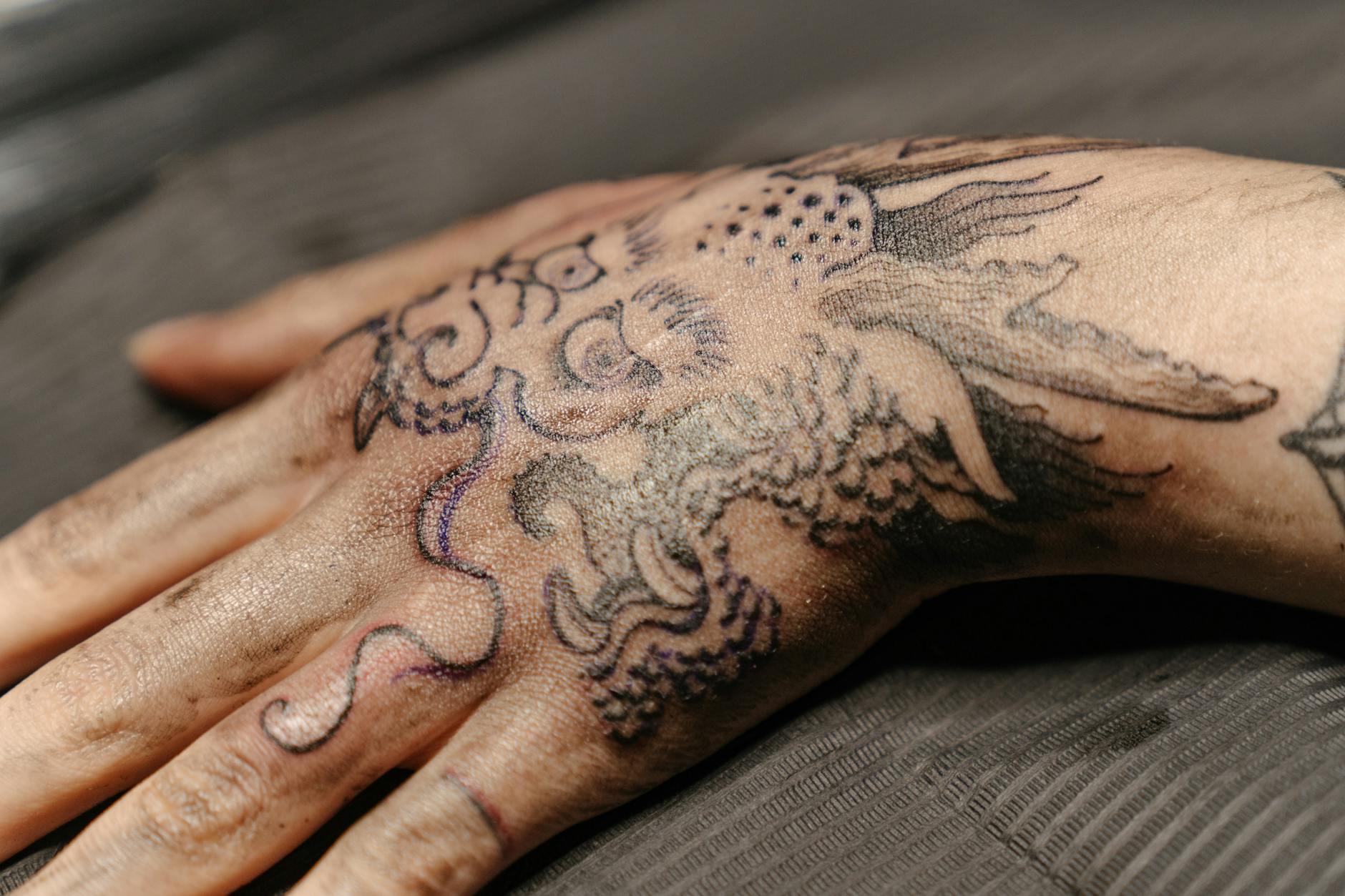
SYDNEY, 15 February 2026 – Australian health authorities and ophthalmologists have issued an urgent warning following a surge in cases of tattoo-associated uveitis, a rare inflammatory condition that can lead to permanent vision loss. As of today, at least 40 Australians have been diagnosed with the condition, sparking a nationwide conversation about the long-term systemic risks of permanent body art.
The Link Between Ink and Inflammation
Recent medical reports indicate that the immune system’s reaction to tattoo ink is not always confined to the skin. In cases of tattoo-associated uveitis, the body’s immune response triggers inflammation in the uvea—the middle layer of the eye. This condition can manifest years after a tattoo is applied, making it difficult for patients to initially connect their vision problems with their body art.
According to reports from 14 February 2026, many of the 40 documented Australian cases involve hard-to-treat inflammation. Complications frequently associated with this outbreak include:
- Cataracts: Clouding of the eye’s natural lens.
- Glaucoma: Increased intraocular pressure that damages the optic nerve.
- Macular Swelling: Fluid build-up in the centre of the retina, causing blurred vision.
- Sarcoidosis: Some cases have shown a link between inflamed tattoos and systemic sarcoidosis, an inflammatory disease that affects multiple organs.
Cosmetic Eye Procedures: A Growing Danger
While systemic reactions to skin tattoos are rising, “eye tattoos” (scleral tattooing) and “eye colour change” surgeries (keratopigmentation) remain the most direct threats to visual health. Experts warn that these cosmetic trends carry an exceptionally high risk of irreversible damage.
Keratopigmentation, often marketed as a permanent way to change eye colour, involves injecting dye into the cornea. Recent clinical data suggests that up to 80% of patients who undergo certain eye-colour-changing procedures require corrective removals or medical intervention within three years due to corneal damage or severe inflammation.
Comparison of Vision-Threatening Tattoo Procedures
| Procedure Type | Primary Risks | Common Complications |
|---|---|---|
| Skin Tattooing | Systemic immune response, ink migration to lymph nodes. | Tattoo-associated uveitis, sarcoidosis, allergic reactions. |
| Scleral Tattooing | Direct injection into the white of the eye. | Scleral laceration, chronic inflammation, total vision loss. |
| Keratopigmentation | Corneal dye injection for colour change. | Corneal cloudiness, light sensitivity, glaucoma, cataracts. |
Expert Warnings and Public Sentiment
Dr Richards, a leading specialist monitoring the Australian cases, noted that signs of tattoo-related eye issues often appear as intermittent swelling of the tattooed skin itself. Public insights from online communities like Reddit suggest that even eyelid tattoos have been linked to localised inflammation that eventually impacts the eye’s internal health.
The American Academy of Ophthalmology and the American Medical Association have previously issued warnings regarding these procedures, citing risks such as intraocular bleeding and “warpage” of the cornea. Despite some claims that keratopigmentation is a safe cosmetic alternative, the consensus among eye health professionals remains that any elective procedure involving the injection of dyes into or near the ocular structure is “extremely dangerous.”
Frequently Asked Questions
Can a normal skin tattoo really affect my eyesight?
Yes. While rare, tattoo-associated uveitis occurs when the immune system reacts to the ink particles in your skin, causing inflammation in the eyes. This can happen months or even years after getting the tattoo.
What are the symptoms of tattoo-related vision loss?
Early warning signs include redness in the eyes, blurred vision, increased sensitivity to light (photophobia), and swelling or “raising” of the tattooed skin on your body.
Is eye colour change surgery (keratopigmentation) safe?
Most ophthalmologists consider it high-risk. Potential side effects include permanent corneal damage, dye leakage into the eye, and secondary conditions like glaucoma that can lead to blindness.
What should I do if my tattoo starts to itch or swell?
If you experience swelling in an old tattoo alongside changes in your vision, you should consult both a dermatologist and an ophthalmologist immediately to rule out uveitis or sarcoidosis.